

Why the Margins Shape the Future of Surgery
Every specialty has its sacred texts and well trodden career paths, but the true inflection points in medicine rarely arrive via the syllabus. They come from the fringes. They emerge from the patients everyone else dismisses, the mentors who shift our trajectory, and the causes that demand our stubborn persistence.
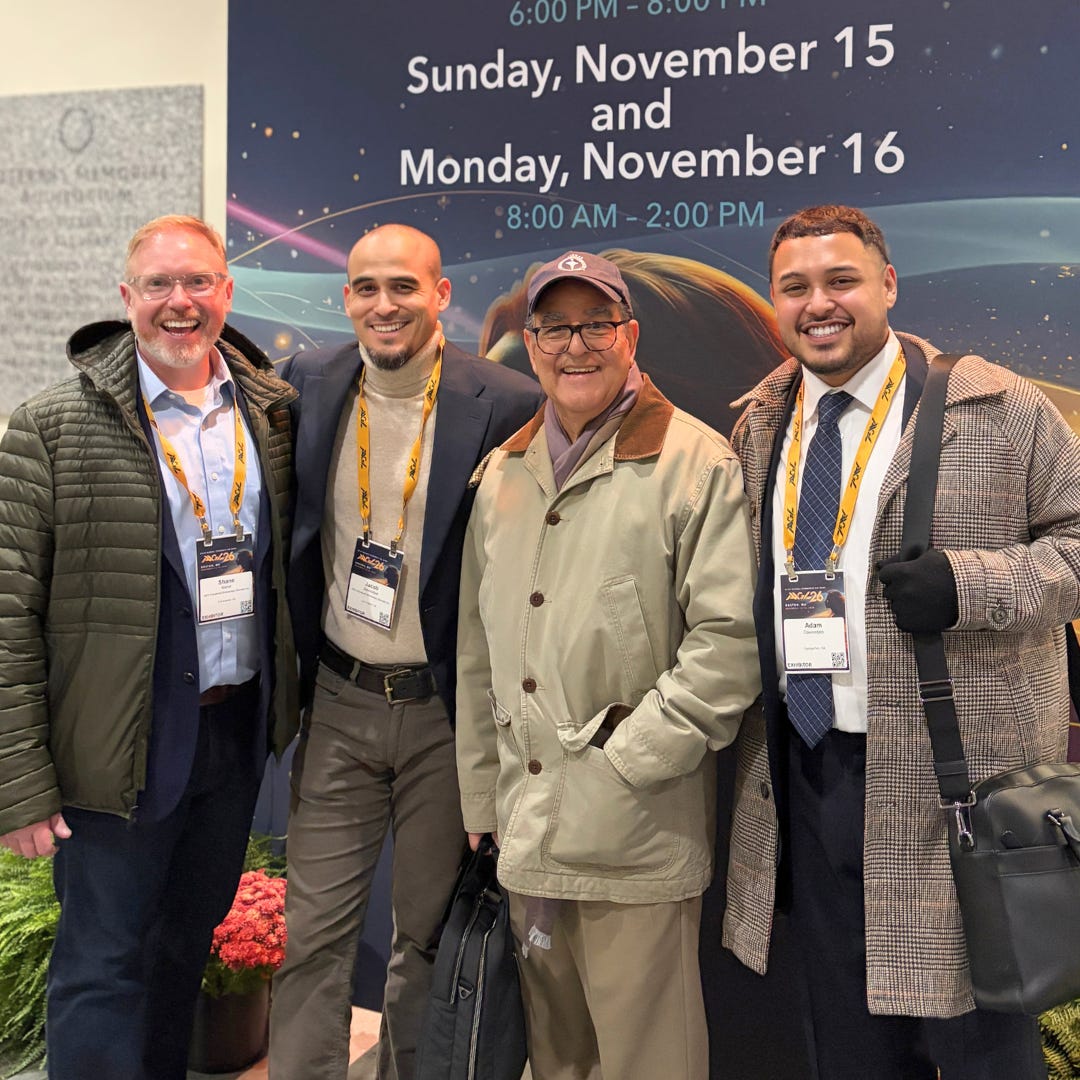
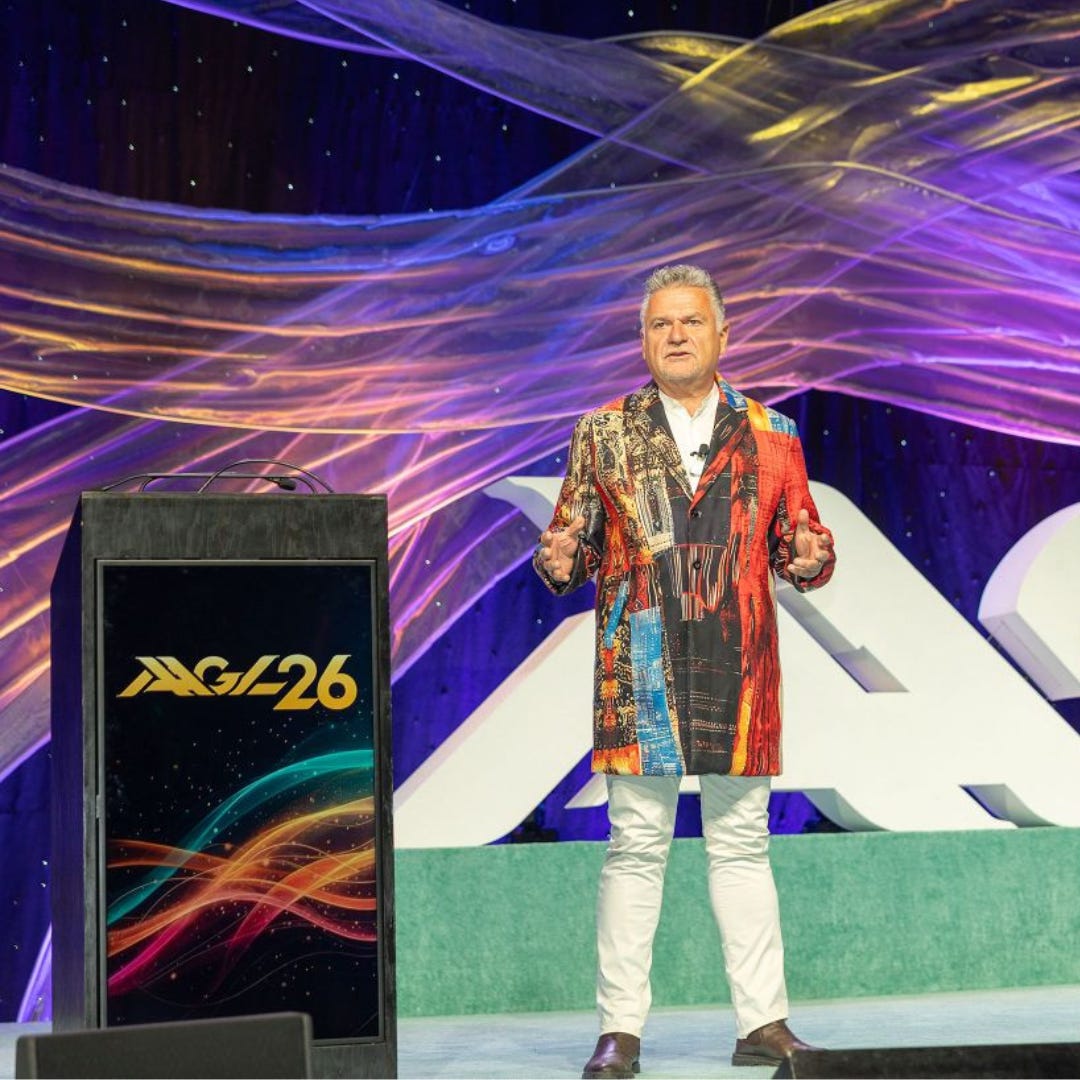
To understand why this moment matters, you have to look at the man at the podium. Dr. Michael Hibner is not just another institutional figurehead resting on a lifetime of academic honors. Born in Warsaw, trained in Chicago Cook County Hospital and the Mayo Clinic under Dr. Javier Magrina, and a pioneer of early robotic console usage, he spent over two decades carving out an entirely new surgical domain from scratch. When he sat in the audience as an unknown young doctor at the AAGL Congress 22 years ago, nobody knew his name. Yet he carried a quiet, audacious belief that maybe one day he would stand at the front of the room. His presidential address was the closing of that 22 year loop.
For our community of MIGS fellows, researchers, and attending surgeons, his address offers a masterclass in how to build a career that moves the needle. Here is what we can learn from his journey.
The Architecture of Mentorship
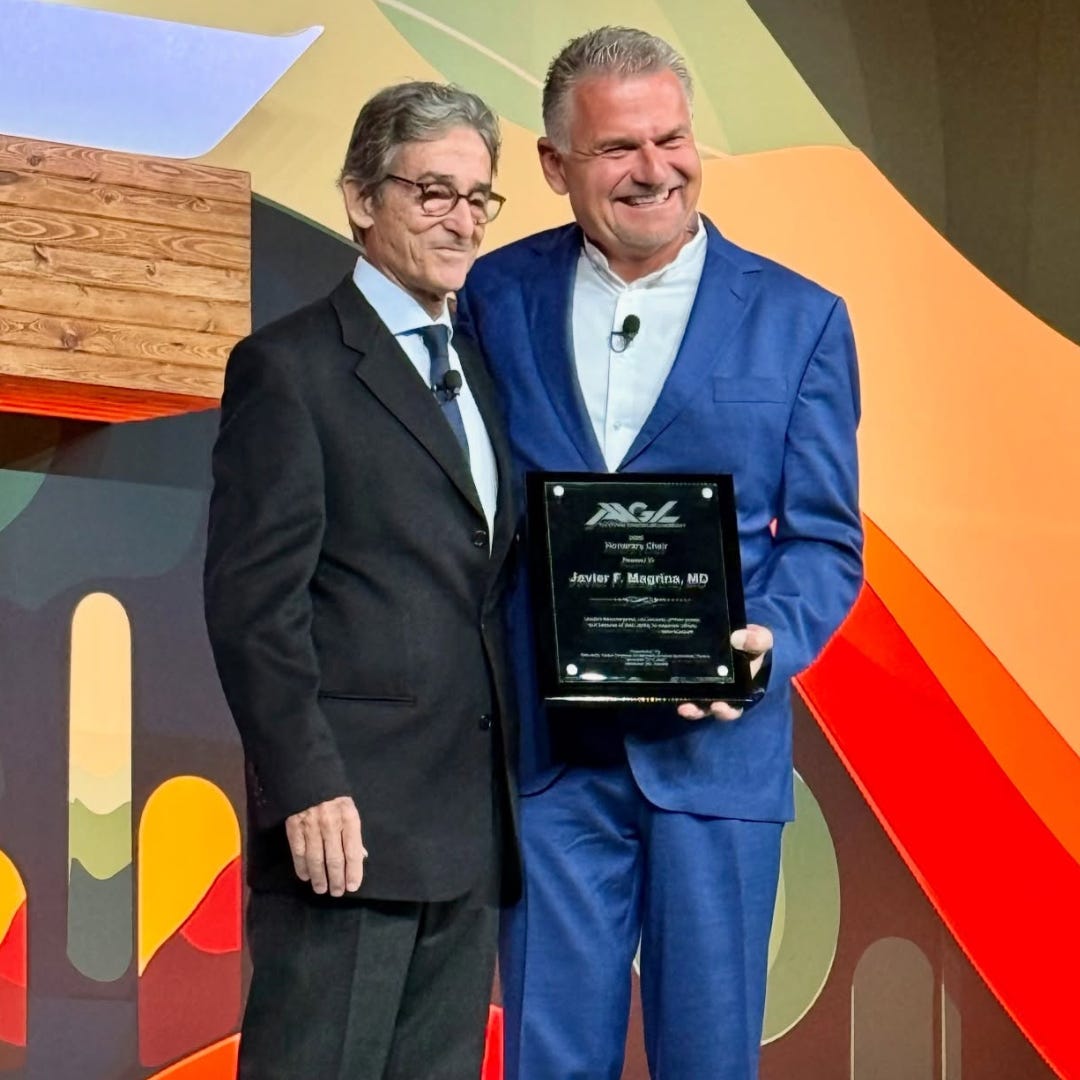
None of us invents ourselves. Every surgeon carries the imprint of a mentor who saw potential before it was obvious.Reflecting on his training at the Mayo Clinic under figures like Dr. Javier Magrina, Dr. Hibner emphasized the foundational pillars of surgical excellence: efficiency, economy of movement, and elegance.
For specialists navigating their training or early attending years, the lesson is clear. Finding the right mentors, and absorbing their standards, creates the structural discipline required to tackle complex pathologies later in your career.
Listening Beyond the Diagnostic Box
The clinical core of Dr. Hibner’s address tackled a dangerous blind spot in modern medicine: the dismissal of patient pain when it falls outside conventional diagnostic frameworks.
For decades, severe pelvic pain and pudendal neuralgia were heavily mischaracterized, often resulting in psychiatric referrals for patients whose pain was assumed to be psychosomatic. When Dr. Hibner began investigating, the global literature on the condition consisted of just 10 articles. Recognizing that patients were being failed by specialists who stopped listening, he pursued specialized training abroad with French neurosurgeon Dr. Roger Robert.
True innovation in surgery begins when clinicians reject rigid dismissal, investigate persistent anomalies, and maintain intellectual curiosity when standard protocols fail. Serendipity in clinical practice often looks like a complex patient who does not fit standard boxes.

Expanding Global Horizons and Warsaw 2027
Advancing global surgical standards requires proactive international outreach. Dr. Hibner’s presidential initiative focused heavily on integrating Central European surgeons, including Polish innovators and Ukrainian specialists mastering robotic consoles amidst active conflict, into the broader AAGL community.
This cross-border outreach culminates in the 22nd AAGL International Congress in June 2027 in Warsaw, Poland, bringing advanced minimally invasive education directly to Central Europe and ensuring world-class training is accessible across borders.
The Honey Badger Manifesto
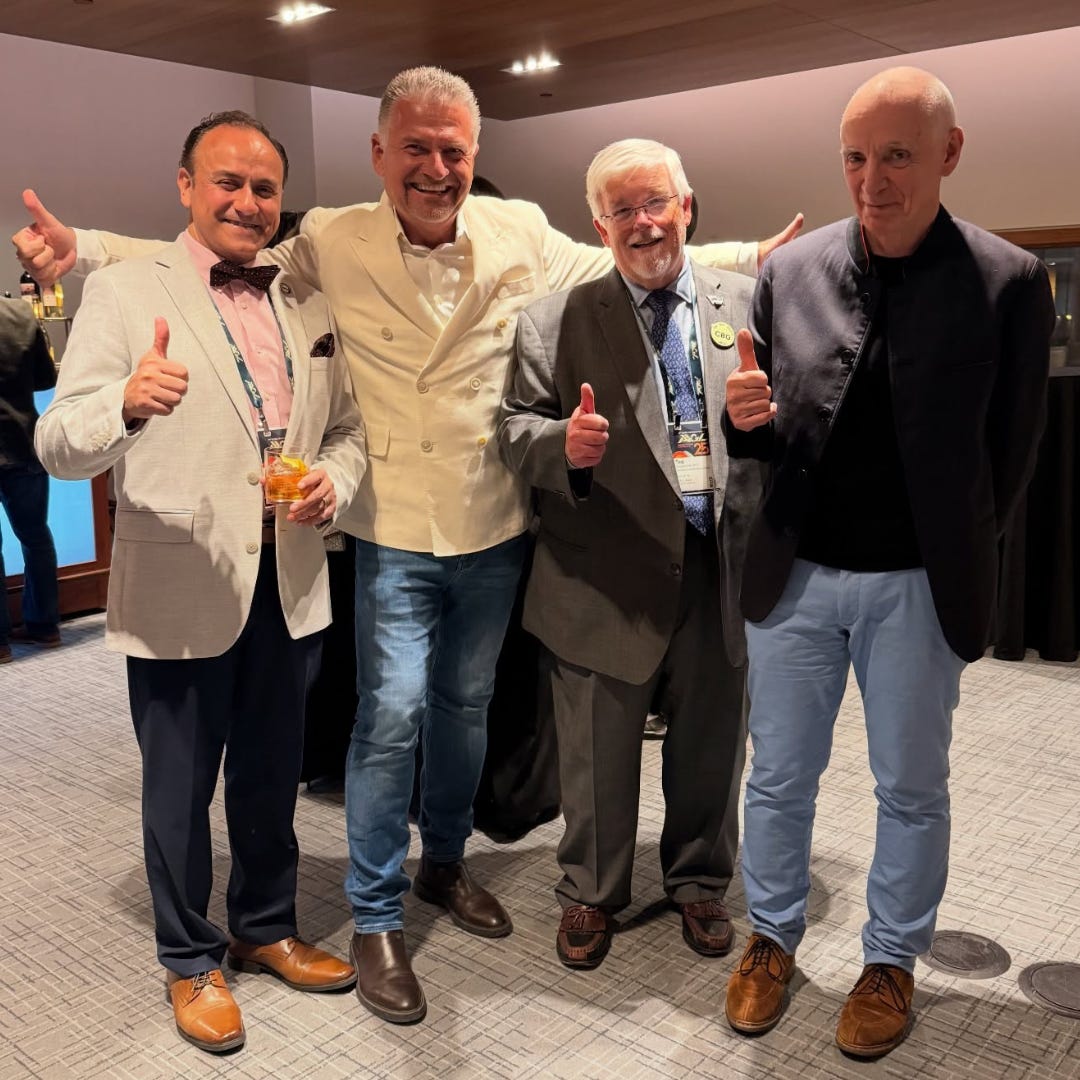
Dr. Hibner closed with a metaphor for every clinician running on minimal sleep and high stakes. His wife’s affectionate nickname for him is the honey badger.
It is a small creature that picks fights with cobras, gets bitten, gets knocked flat on its back, and immediately stands back up because it fundamentally does not care about the odds.
As Hibner handed the presidential reins to Dr. Nash Moawad, his final directive to the room was bold:“Be a honey badger. Be stubborn, be fearless. Stay hungry, stay foolish, and stay brave. And when serendipity limps into your clinic, say yes.”
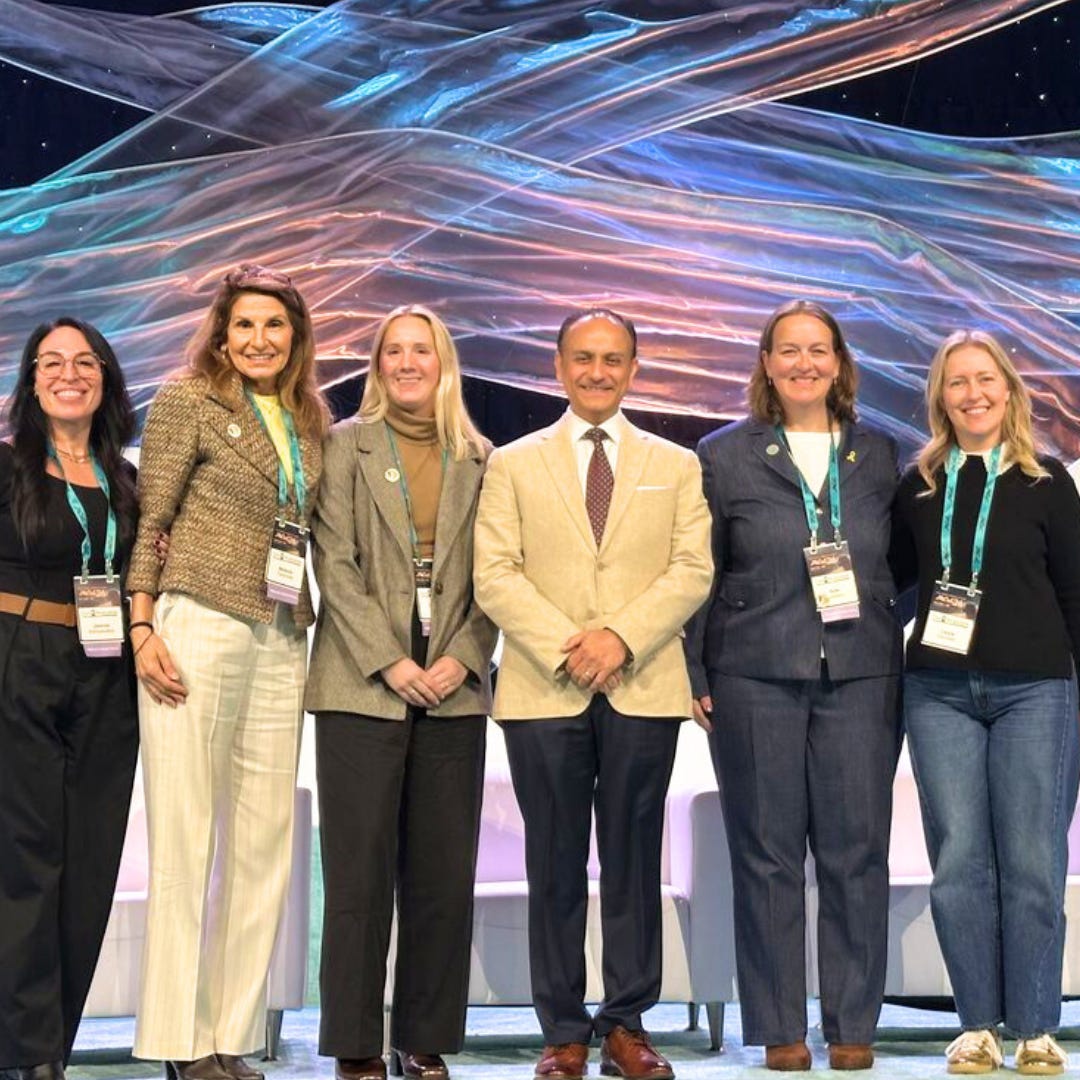
Building the Future of MIGS
Looking at the trajectory of Dr. Hibner’s career offers a blueprint for leadership in minimally invasive gynecologic surgery. He did not follow a pre-packaged, risk-free academic script. He chased an obscure nerve that everyone else ignored, built international bridges from scratch, and kept listening to patients when the rest of the specialty looked away.
For our MIGS community, his story is an invitation. We do not advance our field by waiting for permission or sticking safely to the status quo. We advance it by remaining stubbornly curious, embracing the complex patients nobody else wants, and letting serendipity guide us toward the breakthroughs our patients deserve.
Learn More & Resources
To dive deeper into Dr. Michael Hibner’s presidential address, clinical milestones in pudendal nerve management, and the academic foundation shaping the future of pelvic pain care online:
Watch Dr. Michael Hibner deliver the full AAGL 2026 Presidential Address via YouTube.
Explore Harriet Newhouse’s interview with Dr. Hibner detailing the physician perspective on pudendal neuralgia via the Herman & Wallace Blog.
Review Dr. Hibner’s clinical background, international practice branches, and academic leadership via the Arizona Center for Chronic Pelvic Pain Official Website.
Examine peer-reviewed data on repeat surgical interventions for pudendal nerve entrapment via PubMed.
References
Hibner M, Castellanos ME, Drachman D, Balducci J. Repeat operation for treatment of persistent pudendal nerve entrapment after pudendal neurolysis. J Minim Invasive Gynecol. 2012 May-Jun;19(3):325-30. doi:10.1016/j.jmig.2011.12.022. Epub 2012 Feb 4. PMID: 22305742.
Arizona Center for Chronic Pelvic Pain. Dr. Michael Hibner Professional Biography & Practice Overview.AZCCPP, 2026.
Newhouse, Harriet. A Physician’s Perspective on Pudendal Neuralgia: An Interview with Michael Hibner. Herman & Wallace Pelvic Rehabilitation Institute, December 10, 2021.
Hibner, Michael. Dr. Michael Hibner AAGL 2026 Presidential Speech: Be a Honey Badger. YouTube, Premiered November 17, 2026.