

The New Frontier of Surgery is Upon Us
In a conventional operating theatre, surgical risk is bound by traditional constraints: the steady hand of the attending surgeon, the reliability of local instruments, and the four walls of the sterile suite. But what happens when those walls stretch across an entire country?
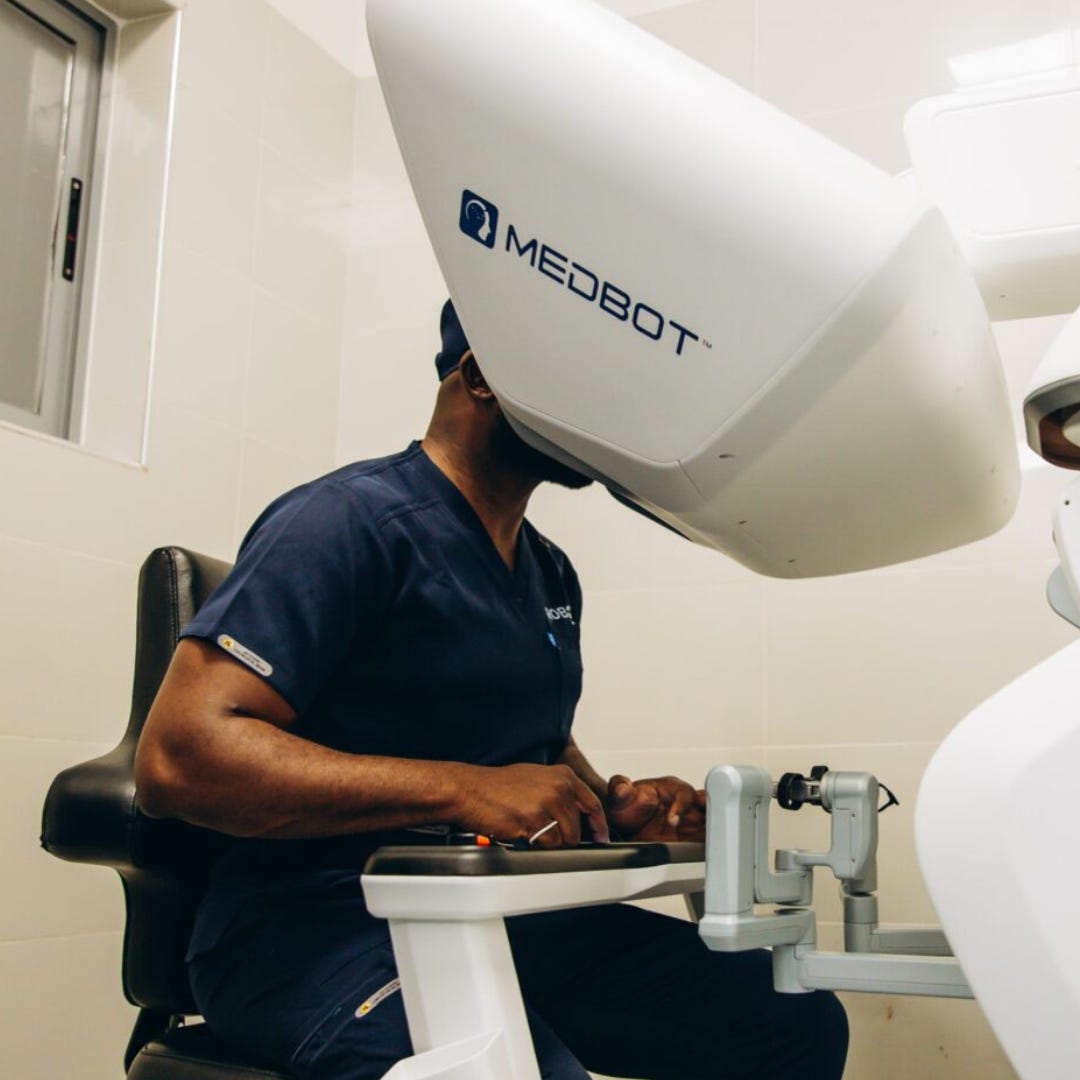
On September 19, that question was answered decisively in West Africa. Operating from a MicroPort MedBot Toumai robotic surgical console at Redeemer’s Health Village in Mowe, Nigeria, Professor Obi Davies-Ekwenna, professor of urology and transplantation at the University of Toledo and co-founder of RoboMed Global, successfully performed a robot-assisted right radical nephrectomy. His target was a cancerous kidney in a patient lying on an operating table at Nisa Premier Hospital in Abuja, Nigeria.
The distance between surgeon and patient was roughly 500 kilometers. The duration was a grueling three hours. The outcome was a landmark triumph that marked West Africa’s first tele-robotic surgery and a profound paradigm shift for how we think about surgical access globally.
Africa’s Evolution in Surgical Innovation
For the ACS fellows, international surgeons, and medical students tracking the bleeding edge of healthcare innovation, headlines about robotic milestones often gloss over the invisible scaffolding that makes them possible. We marvel at the 3D visualization, the multi-armed articulation, and the sub-millimeter precision. But as Dr. Kelechi Okoro astutely observed, telesurgery inverts the traditional model of surgical risk. When a digital pipeline replaces the immediate physical proximity of the operating team, latency, packet loss, and network stability become absolute life-and-death variables.
The primary procedure relied on Starlink satellite connectivity to carry real-time high-bandwidth data across Nigeria. Understanding that atmospheric interference or latency spikes can be fatal during an arterial procedure, the team engineered a robust redundancy model. MTN’s mobile network infrastructure stood ready as an active failover layer, prepared to absorb the data load instantaneously if the primary link faltered.
Just as a cardiac ward requires dual power grids and diesel generators, the Mowe-Abuja procedure proves that digital redundancy is now a core pillar of clinical governance. Dual-carrier failover and guaranteed uptime are no longer IT buzzwords, but direct patient safety decisions.
Building the Pipeline from the Ground Up
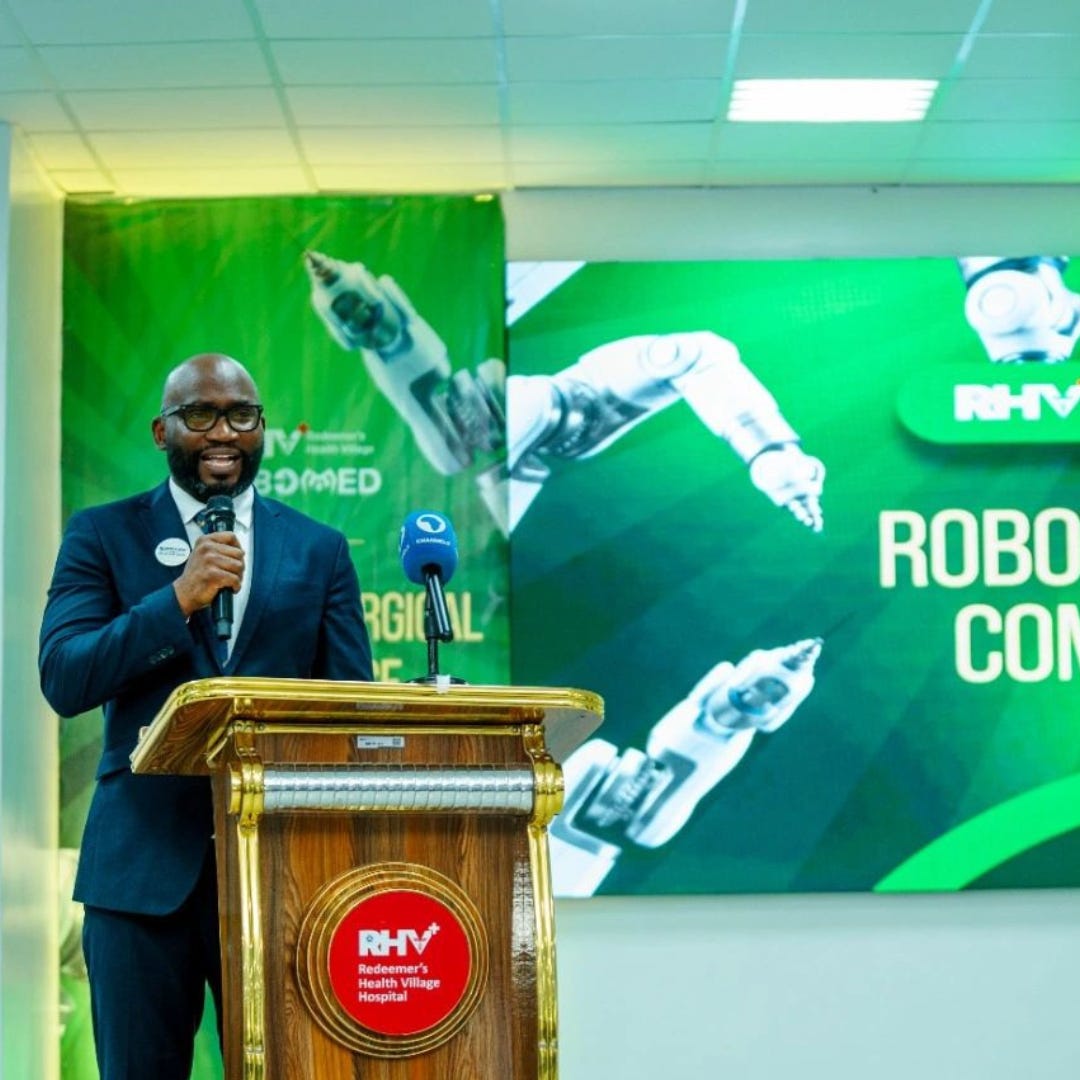
The vision driving Professor Davies-Ekwenna's initiative goes far beyond a single headline-grabbing operation. Through RoboMed Global and strategic partnerships with institutions like Nisa Medical Group, founded by Dr. Ibrahim Wada, and RHV, led by CEO Dr. Adedamola Dada, the movement is systemic, intentional, and anchored in regulatory rigor.
Following the landmark introduction of the Toumai robotic platform, Nigeria’s NAFDAC granted official regulatory approval, validating its safety and efficacy and making Nigeria the first country in West Africa to clear a robotic surgery platform for over 400 million people. Patients undergoing these advanced procedures are walking out of hospitals in 12 to 48 hours, representing a fraction of the recovery window required for traditional open surgery and fundamentally cutting down the physical and economic toll of disease.
Realizing that hardware without human capital is a dead-end, the team has set an aggressive target to train and certify at least 150 local surgeons, perioperative nurses, and biomedical engineers within two years, ensuring that advanced surgical capacity is built, owned, and sustained locally.
Distance Should Never Decide Outcome
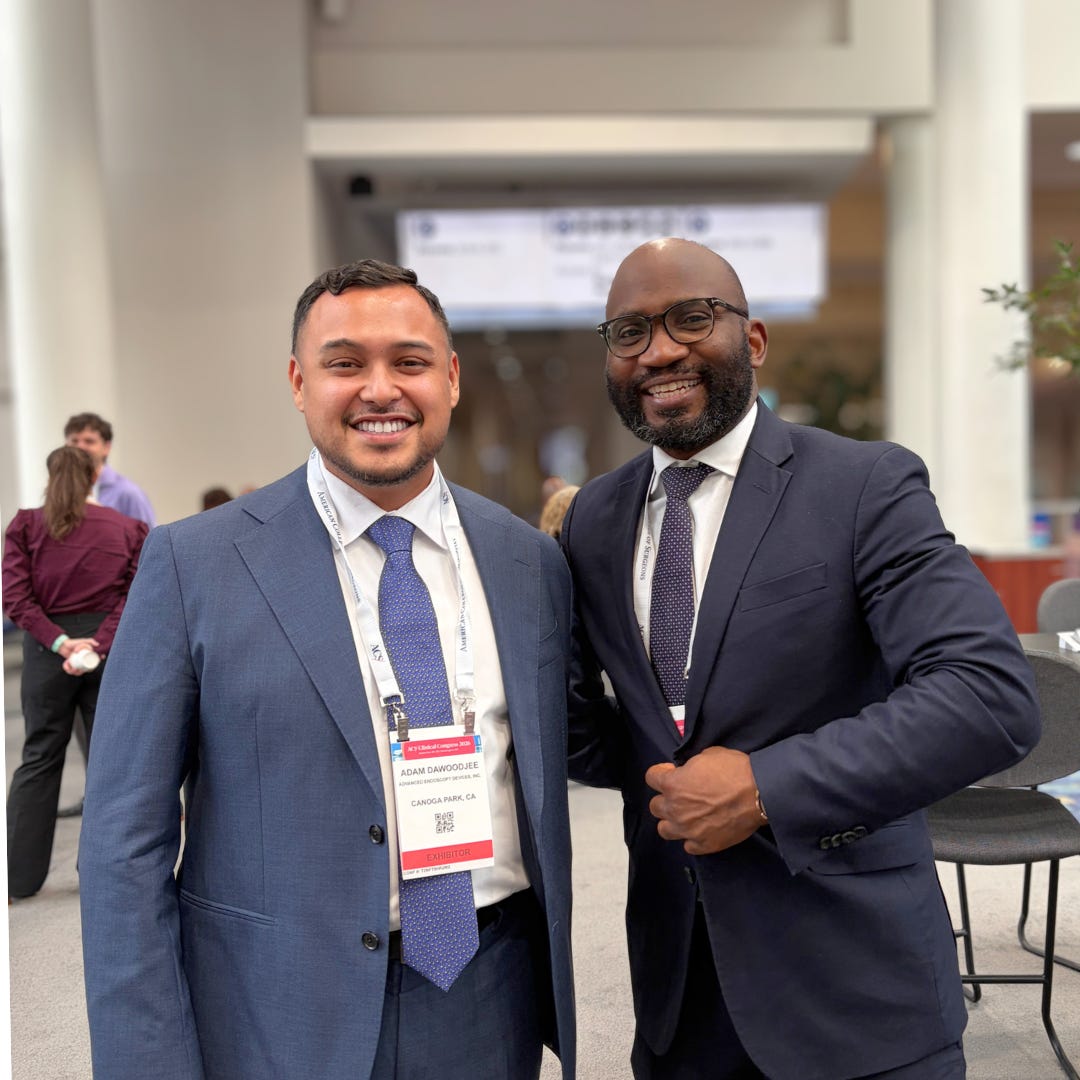
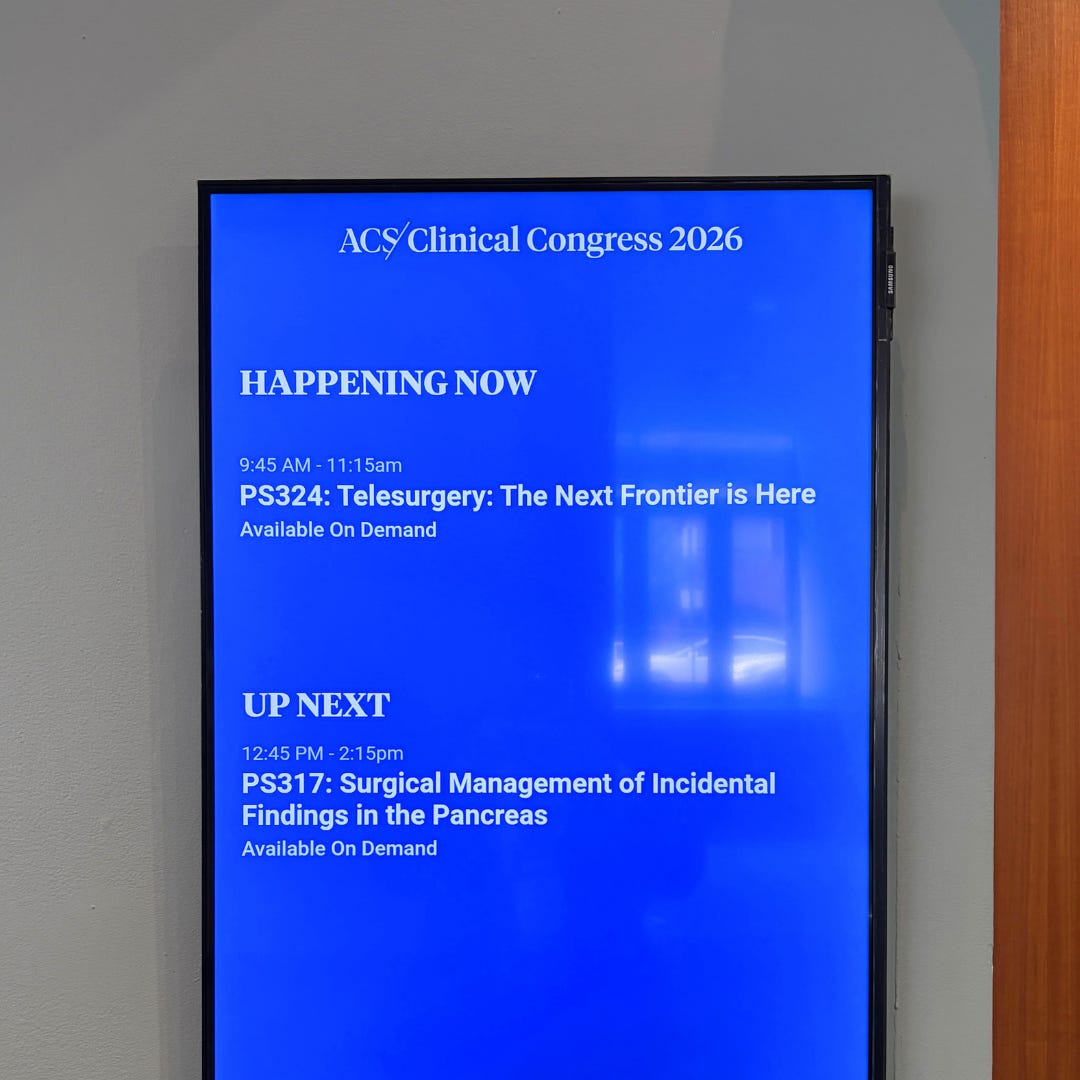
Meeting Professor Davies-Ekwenna at ACS 2026 brings into sharp focus what it means to democratize surgical excellence. For too long, specialized care has been an exclusive privilege tied to geography, forcing a grueling cycle of medical tourism for patients in low- and middle-income countries. As the Toledo urologist noted, distance should never decide who receives safe surgery.
By bridging the gap between cutting-edge med-tech robotics and resilient telecommunications infrastructure, pioneers like him and his multidisciplinary teams are rewriting the rules of global health security. They are not just importing technology, but are proving instead that Africa can lead the next great evolution in surgical innovation. Double click to interact with video
Learn More & Resources
To dive deeper into the milestones, tele-robotic infrastructure, and regulatory achievements shaping the future of surgical care in Nigeria and beyond, explore the source coverage and media online:
Explore Dr. Kelechi Okoro’s full commentary on how digital pipelines and satellite redundancy are transforming clinical care via The Guardian.
Discover the frontline coverage of Professor Obi Ekwenna leading Nigeria’s first tele-robotic surgery via Punch Newspapers.
Examine the regional reporting on this landmark West African milestone via Peoples Gazette.
Review the official platform launch details directly on the RoboMed Global Official Website.
References
Okoro, Kelechi. When connectivity becomes a clinical instrument. The Guardian, September 25, 2026.
Omotere, Samuel. Things to know about surgeon who led Nigeria’s first tele-robotic surgery. The Punch, September 22, 2026.
News Agency of Nigeria. Nigeria records first tele-robotic surgery in West Africa. Peoples Gazette, September 20,2026.
Arise News. Nigeria Takes A Huge Step Into Robotic Telesurgery - Ekwenna. YouTube, September 18, 2026.
RoboMed Global. NAFDAC Approves First Robotic Surgical Platform in West Africa. RoboMed Global Newsroom, January 22, 2026.
RoboMed Global. Robomed™ Global, USA and Nisa Medical Group Launch Nigeria’s First Toumai® Robotic Surgery Platform at Nisa Premier Hospital. RoboMed Global Newsroom, January 22, 2026.