
Dr. Alejandro Posadas and the 127-Year Evolution of Surgical Cinema

In 1899, in a sunlit courtyard at the Hospital de Clínicas in Buenos Aires, Argentina, Dr. Alejandro Posadas performed a thoracic surgery under the lens of a 35mm French Elgé camera. This was the birth of medical cinema, a three minute silent film that forever changed how surgical knowledge was shared. As noted in the March 2026 ACS Bulletin feature by Dr. Tamara Almada, Posadas had to move his entire operating table outdoors just to capture enough natural light for the primitive film of the era. He was a visionary who understood that the potential of film was not for entertainment, but as a powerful instrument for education and scientific documentation.
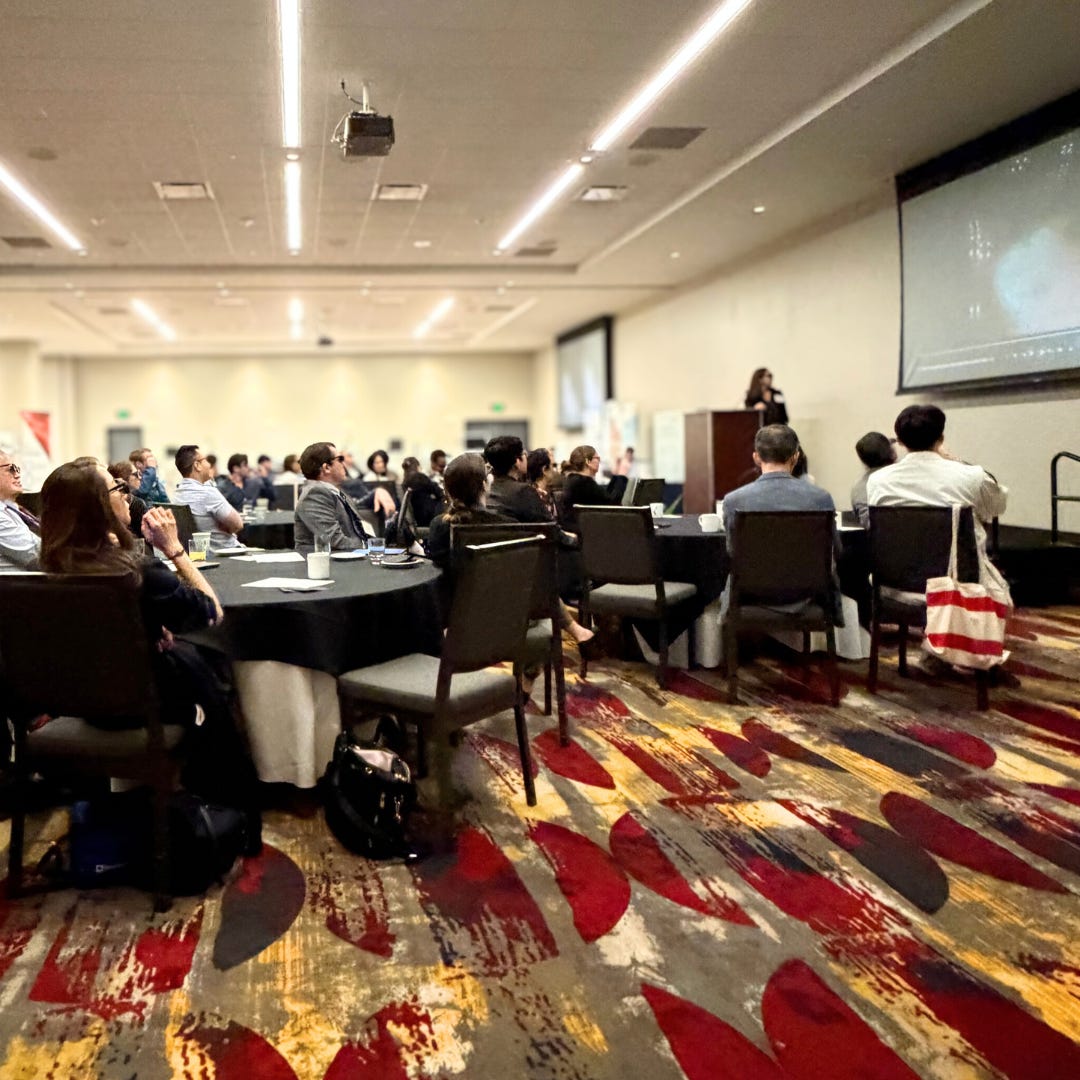
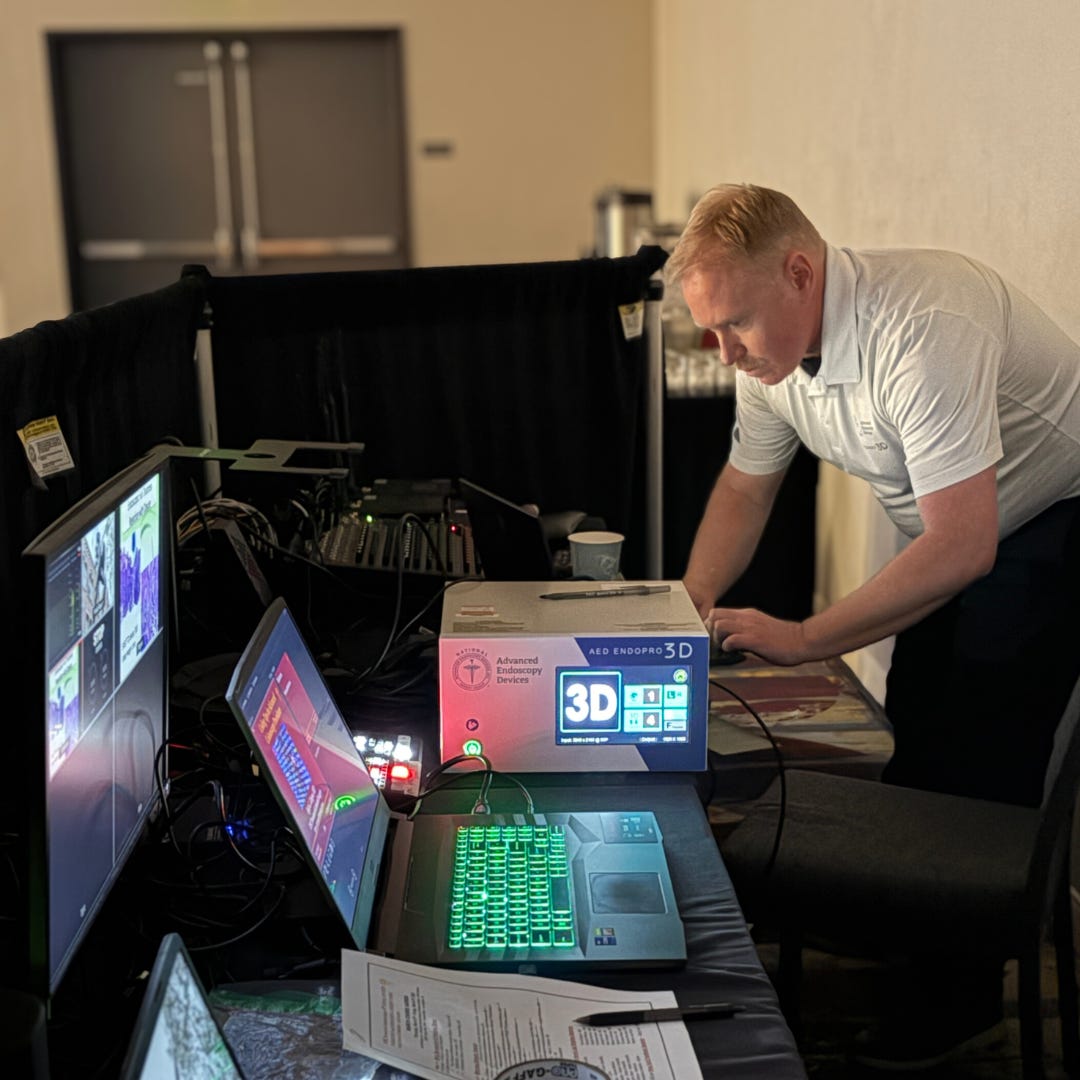
Last month at Keck School of Medicine of USC in Los Angeles, we reached the next great milestone in that 127 year trajectory. While the 1899 film in Argentina struggled to capture basic movement in 2D, the 10th Annual USC Advanced Endoscopic Course, hosted by Dr. Sang Lee, demonstrated a technological "Proof of Concept" that fulfills the legacy Posadas began. Utilizing proprietary AED ENDOPRO® 3D technology, we conducted our first ever 3D Masterclass by taking existing 2D monoscopic footage and converting it into a high-fidelity, immersive 3D experience without the need for 3D cameras or hardware upgrades. We are now doing for depth what Posadas did for movement: making the invisible visible for the purpose of global education.
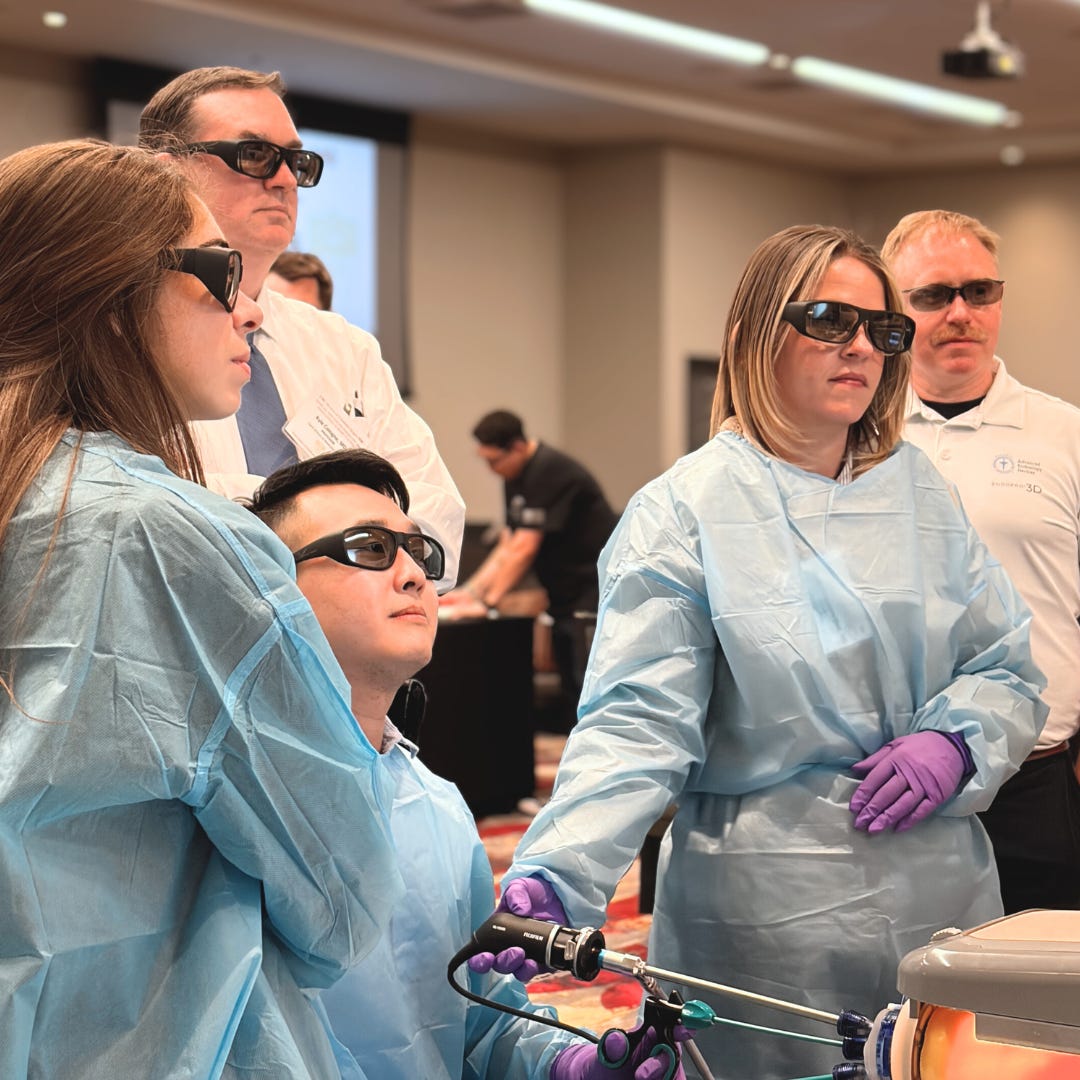
The highlights of this session proved that elite visualization can be decoupled from expensive hardware. Dr. Angela Kuhnen of the Lahey Clinic led the inaugural 3D session, presenting "New and Innovative Techniques for Endoluminal Surgery." By restoring the Z-axis to the footage, attendees could appreciate the subtle topography of the bowel wallwith a level of detail that 2D simply flattens. Similarly, Dr. Sang Lee showcased the power of spatial visualization during his session on TAMIS, allowing surgeons to navigate anatomical planes with a level of clarity previously unavailable in standard recordings. This is the practical application of the "art of seeing, knowing, and teaching" that Dr. Almada describes in her historical analysis.
What began in a sunlit hospital courtyard in Buenos Aires in 1899 stands today as a global milestone. However, for too long, 3D vision has been locked behind the high cost of robotic consoles. By making this immersive experience scalable and accessible for every surgical program, we are ensuring that the visual legacy of Dr. Posadas continues to evolve. We are moving beyond the "low-resolution broadcast" of the past and entering an era where high-stakes surgical navigation is defined by depth and precision.
Dr. Almada’s analysis reminds us that the history of surgery is a history of the "art of seeing," and that our ability to teach the next generation depends entirely on the quality of the image we preserve. You can read the full historical account of Dr. Posadas and the birth of surgical cinema in the original article: First Filmed Surgery Sparks New Era of Medical Cinema.
Reference: Almada TN. First Filmed Surgery Sparks New Era of Medical Cinema. Bulletin of the American College of Surgeons. 2026;111(3).
Experience a smarter way to source endoscopy equipment—all in one place.
✔ Wide selection of trusted endoscopy brands
✔ Competitive pricing without compromising quality
✔ Fast, reliable access to the tools you need—when you need them
👉 Explore how EndoPro® 3D can transform your surgical technique.