

The $1.5M Wall and the Rise of Modular Surgical Vision
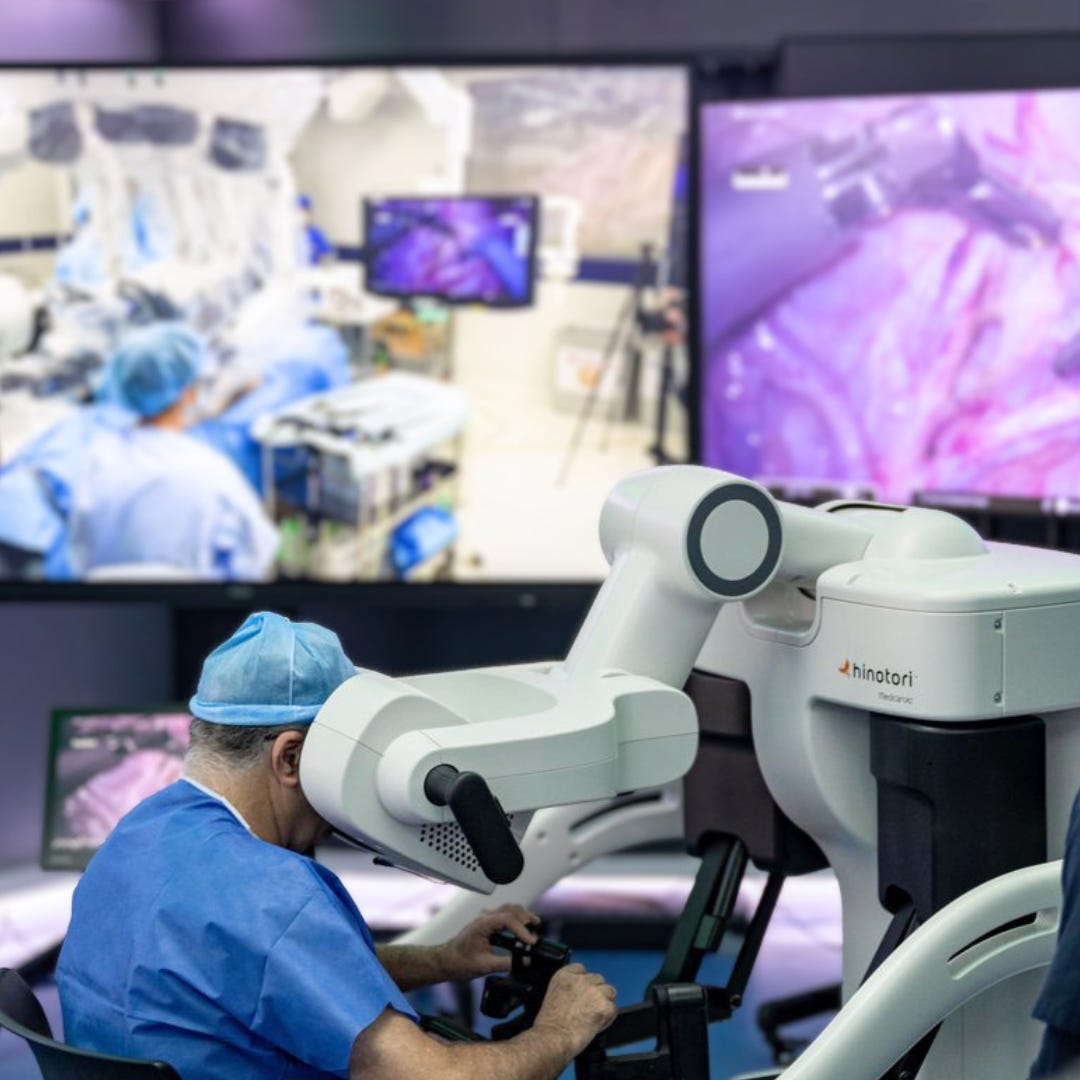
The February 2026 feature in the ACS Bulletin, “Robotics Integration Is Transforming Global Surgical Care,” makes one thing undeniable: the future of surgical care depends on precision, dexterity, and visualization. Authors Sadiq, Shukla, and their colleagues highlight that while robotic-assisted surgery reduces recovery time and postoperative pain, it faces a massive capital barrier. With an estimated $1 million to $1.5 million required to implement a traditional platform, this technology remains concentrated in wealthy private or urban institutions, leaving roughly 95% of the world’s operating rooms behind. The clinical benefits of high-definition 3D visualization should never be locked behind a multi-million-dollar capital budget. While global analysis highlights these systemic hurdles, the real work lies in deploying practical solutions to bridge this equity gap right now.
The ACS Bulletin feature notes that robotic systems provide greater precision, dexterity, and visualization, which are essential for navigating complex anatomical planes. However, the authors emphasize that initial investment and operational expenses remain substantial, largely driven by proprietary equipment costs. The solution to this bottleneck lies in decoupling advanced visual depth from heavy mechanical hardware. By retrofitting plug-and-play 3D optical technology directly onto existing 2D laparoscopy towers, surgical programs achieve the anatomical clarity and spatial perception essential for complex cases without incurring robotic capital debt. This modular approach makes elite visual navigation accessible whether a surgeon operates in a premier medical center in Los Angeles or a community clinic in a low-resource setting.
Overcoming Institutional Inertia Through Modular Platforms
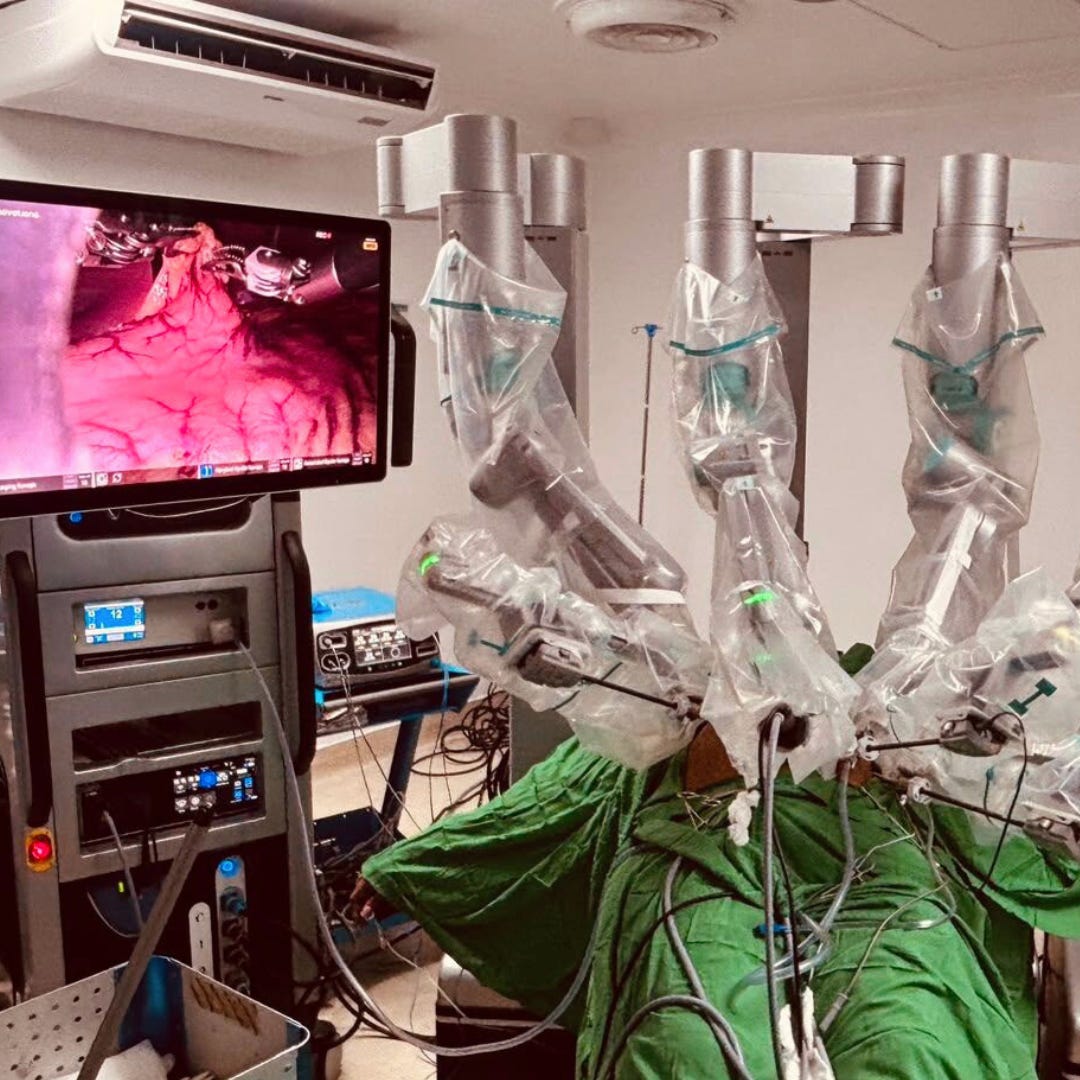
The ACS feature explicitly calls for affordable, modular systems engineered specifically to reduce acquisition costs and operational friction. Recent developments in miniaturized surgical robotics, such as Virtual Incision’s MIRA platform, demonstrate that advanced surgical technologies do not need to be massive, immobile, or cost-prohibitive. Combining compact robotic units with adaptable 3D visualization platforms proves a critical point: high-precision surgery can be nimble, scalable, and cost-effective.
Dismantling the administrative bias that equates quality care with extravagant expenditure is essential for health system sustainability. When clinical leaders prioritize modular systems over rigid, capital-heavy infrastructure, they break the cycle of forced equipment obsolescence. Modern healthcare requires flexible tools that integrate into existing operating room workflows, ensuring that surgical teams can adopt high-precision techniques without overextending health system resources.

Strengthening Health Systems and Achieving Global Surgery 2030
Achieving the Global Surgery 2030 goals demands concrete strategies to strengthen surgical systems, particularly in regions hampered by inconsistent infrastructure and limited technical support. High-capital platforms often fail in LRS environments due to maintenance costs and specialized facility requirements. Independent, adaptable optical models provide a viable blueprint for these 2030 targets by delivering reliable, high-definition 3D visualization independent of massive institutional funding.
Providing surgeons with advanced spatial vision on standard manual setups elevates the baseline of care across all surgical disciplines. When spatial clarity becomes an accessible standard rather than an exclusive privilege, surgical error rates drop, procedural efficiency improves, and patient outcomes equalize across geographic boundaries.
Decoupling Elite Vision from Capital Budgets
Looking across the trajectory of global surgical care, the transition toward accessible, high-definition visualization is unstoppable. The ultimate takeaway from the ACS analysis is that the historical cost structure of surgical robotics is fundamentally unsustainable for global health equity.
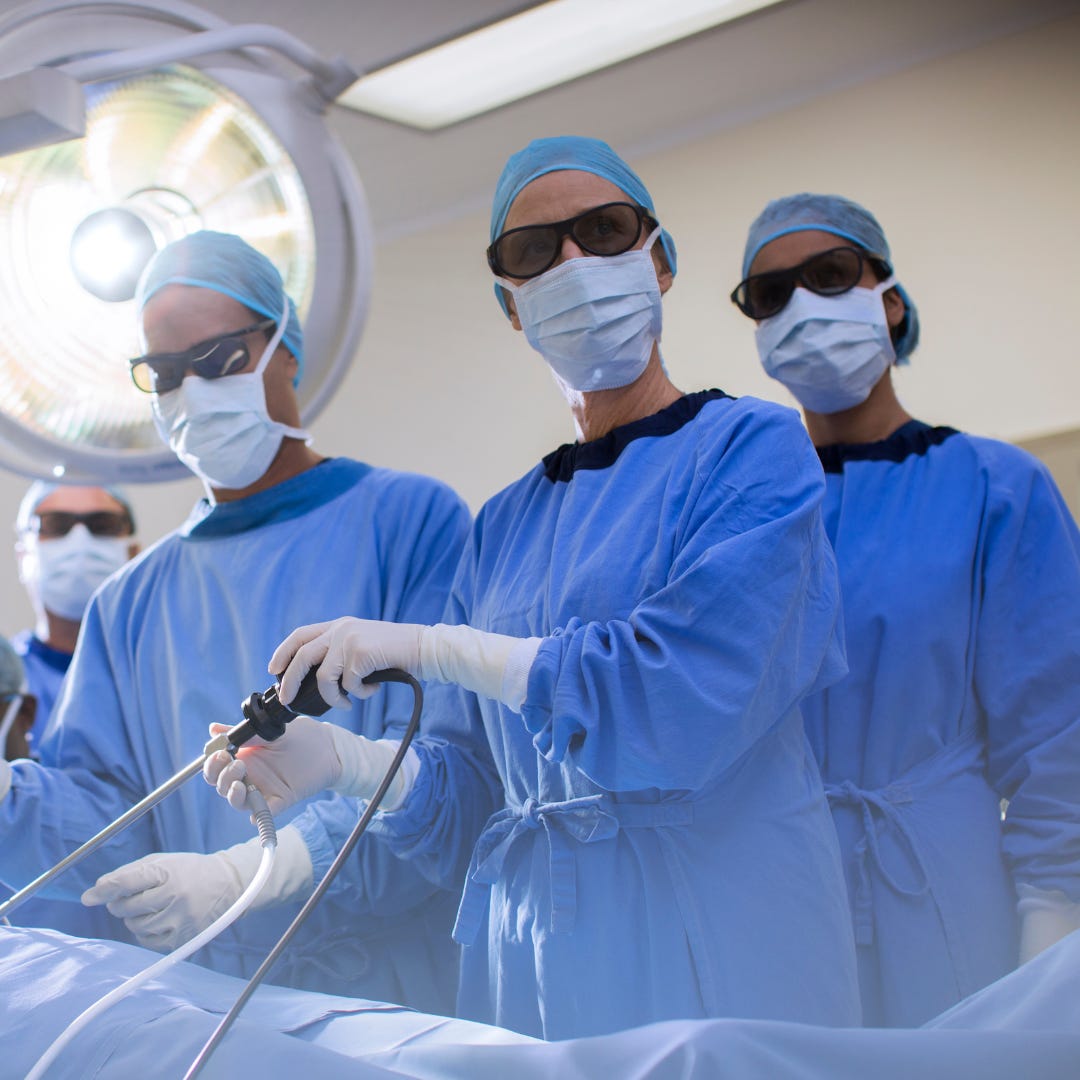
High-precision minimally invasive surgery must no longer exist as a luxury for elite hubs; it must serve as a universal baseline for patient care. By adopting open, modular optical retrofits and flexible platform integration, the medical community can eliminate financial barriers and ensure that every surgeon, in every operating room, possesses the vision necessary to deliver safe, dignified care.
Learn More & Resources
The ACS highlights a sobering reality regarding the cost of traditional systems. You can read their full analysis of these financial barriers in the original article: Robotics Integration Is Transforming Global Surgical Care.
References
Sadiq KO, Shukla S, Nazir A, et al. Robotics Integration Is Transforming Global Surgical Care. Bulletin of the American College of Surgeons. 2026;111(2):32-39.